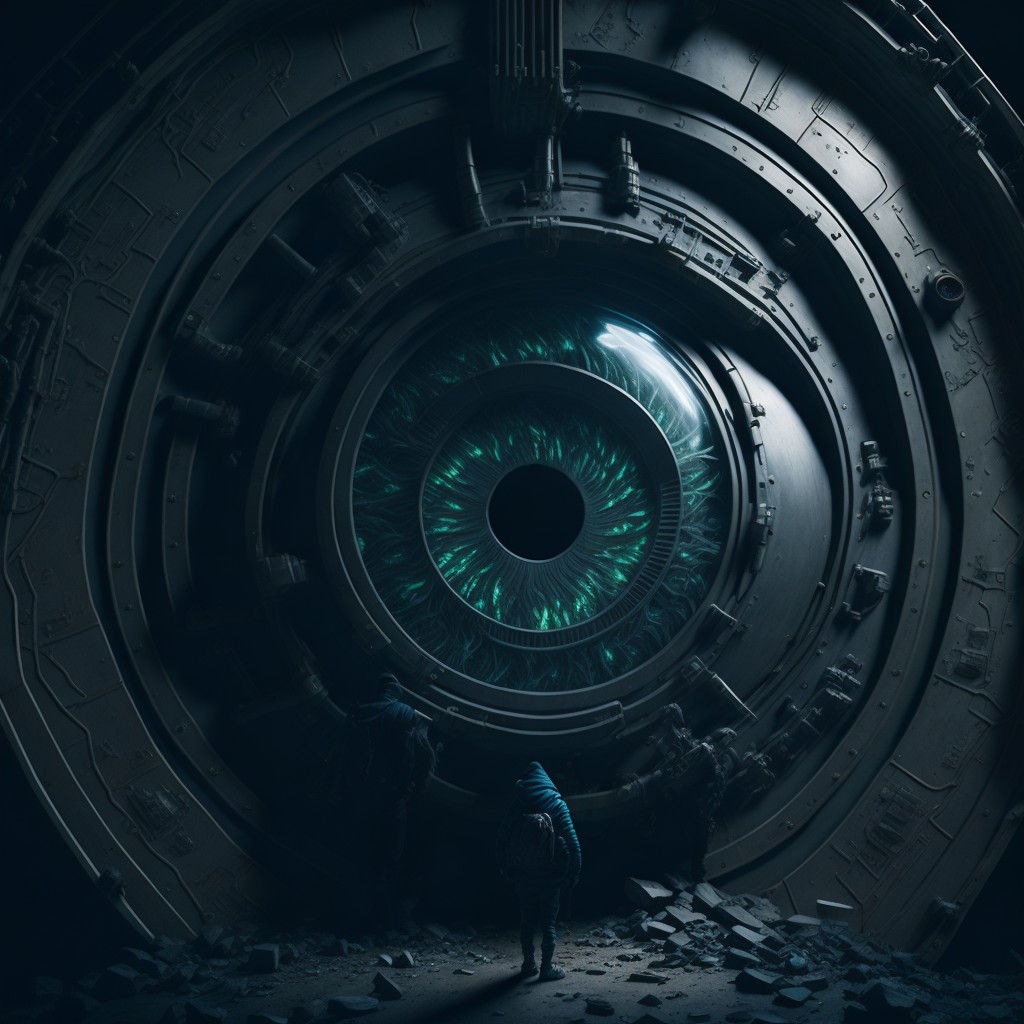
Genomics, the study of genes and their functions, has come a long way since the discovery of the double helix structure of DNA in 1953. Over the years, technological advances have allowed us to sequence and analyze genomes more efficiently and accurately. So, what might the future of genomics look like in the year 2150?
One possibility is that we will have developed even more advanced sequencing technologies that will allow us to sequence entire genomes in minutes. These technologies may be based on completely different principles than what we use today. For example, we can sequence DNA using quantum computers, which perform calculations exponentially faster than classical computers. This would revolutionize genomics research and could lead to discoveries and applications.
Another potential development in genomics is the widespread use of gene editing technologies, such as CRISPR. By 2150, we may have developed even more precise and powerful gene editing tools that can edit genes with unprecedented accuracy. This could lead to the elimination of genetic diseases and develop new treatments for a wide range of conditions.
In terms of the culture around genomics, it will likely become more integrated into our daily lives. In 2150, it may be common for individuals to have their entire genomes sequenced at birth, which could provide valuable information about their health and potential future risks. This could lead to personalized medicine becoming the norm, with treatments and medications tailored to an individual’s unique genetic makeup.
As we continue to learn more about the genetics of different species, including humans, it is also possible that we will develop new technologies for gene therapy and genetic engineering. This could make new crops more resistant to disease and climate change and new ways to combat animal genetic disorders.
Overall, the future of genomics is exciting and full of potential. As we continue to make technological advancements and our understanding of genetics, the possibilities for discoveries and applications are endless.
 publications
3 responses to “Life in the Year 2150”
[…] Read More 2023 […]
LikeLike
[…] The struggle for LGBTQ+ rights has been ongoing for decades, with significant progress made in recent years. However, discrimination against LGBTQ+ individuals, especially children, is still prevalent in many parts of the world. Open-Source Intelligence (OSINT) is one tool that can help alleviate gay rights, even among children. […]
LikeLike
[…] Read More 2023 […]
LikeLike