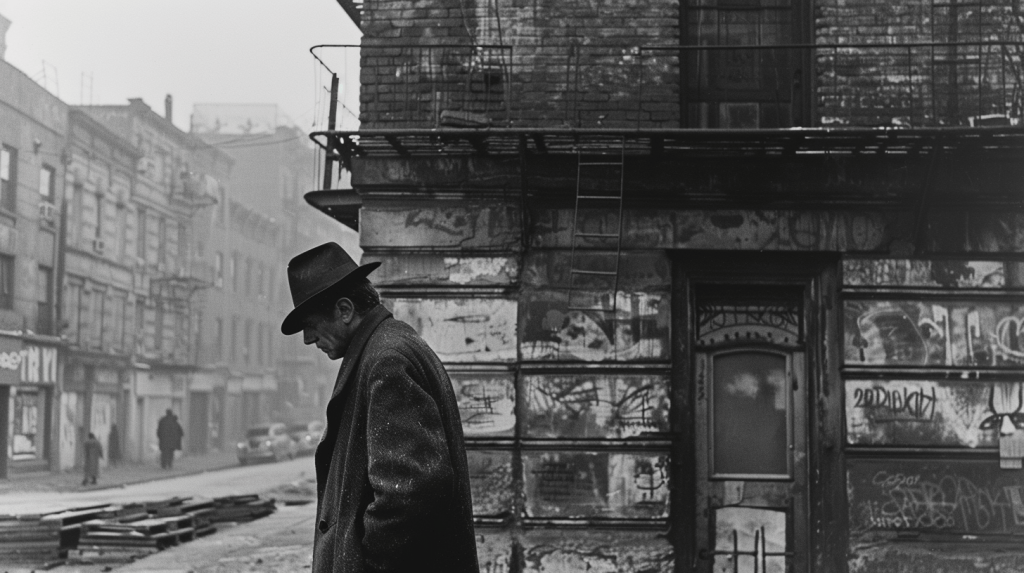
Capitalism has long been called the engine of prosperity. But any engine left unserved will sputter, stall, or crash. For over a century, economic crises have shown us what happens when we leave the machine to “fix itself.” Market manipulation, speculative bubbles, and sudden collapses create not opportunity but what I call stupid predation—systems feeding on the very people they’re meant to serve.
From the Great Depression to the 2008 financial meltdown, the myth of self-correcting markets has left families jobless, homeless, and hungry. Each time, one lesson has proven true: inaction kills.
That’s where Keynesian economics enters.
Named after John Maynard Keynes, the idea is deceptively simple: when people and businesses stop spending, governments must step in and spend for them. It’s like jump-starting a dead battery. The point isn’t permanent rescue. It’s to restart the flow of wages, work, and hope when markets seize up.
History is blunt. In the 1930s, the U.S. government initially did nothing—and millions sank into poverty. Only with New Deal programs—building schools, roads, and safety nets—did the economy begin to climb. That was Keynes in practice, not theory.
However, it was after World War II, under President Eisenhower, that Keynesian ideas truly gained traction. A Republican president championed massive federal investment in highways, housing, and education—not as handouts, but as the backbone of prosperity. On the surface, it worked. The middle class expanded, homeownership soared, and America built an infrastructure network envied worldwide.
 publications
Leave a comment